The biggest pitfall in AI agent implementations is not technical. It's human. The best technology fails if employees don't use it, work around it, or actively resist it. Change management is not a side note, it's a success factor.
Why Resistance Occurs
- Fear of job loss: 'the AI is taking over my work'
- Lack of understanding: 'I don't understand what it does or why'
- Loss of control: 'I don't trust the agent'
- Extra work: 'now I also have to check the agent'
- Bad experiences: 'it doesn't always work well'
Step 1: Involve Employees from the Start
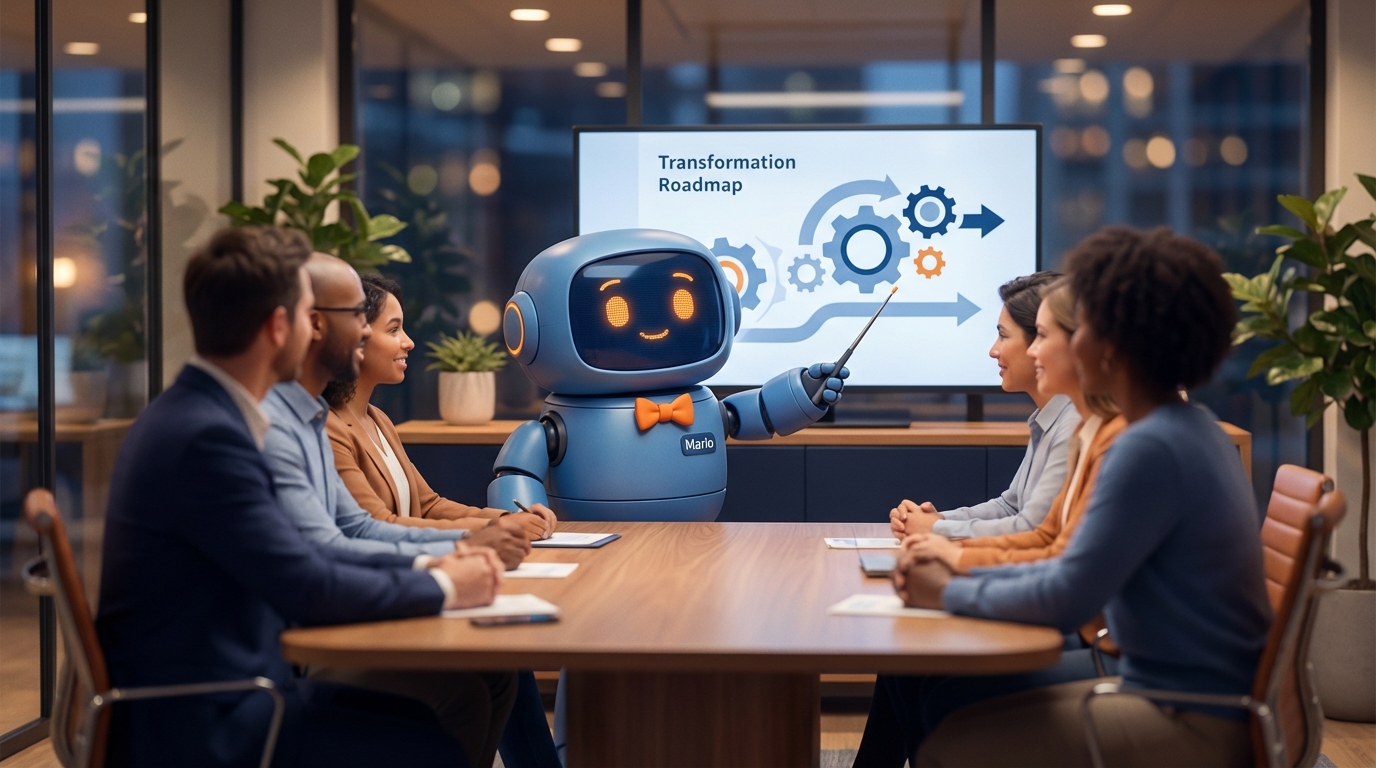
The biggest mistake is introducing an AI agent as a fait accompli. Involve employees in the selection of use cases, the configuration of the agent, and the evaluation of results. People embrace what they helped build.
Step 2: Communicate Honestly About Goals
Be transparent. If the agent takes over repetitive work so employees have more time for advisory work and client contact, say so. Vague communication lets people fill in their worst scenarios.
Step 3: Start with Enthusiasts
Every team has innovators and early adopters. Start the pilot with them. Their success and positive stories are contagious to the rest of the organization.
Conclusion
Technology is the easy half of AI implementation. The human side, overcoming resistance, building trust, changing behavior, is where the real challenge lies. But also where real value is realized.