Two technologies dominate the automation discussion in B2B organizations: Robotic Process Automation (RPA) and AI agents. Both automate processes, but in fundamentally different ways. The question is not which is better, the question is which best fits your specific situation. In this article, we explain the difference, provide a clear comparison table, and describe concrete situations where you choose one over the other.
What is RPA?
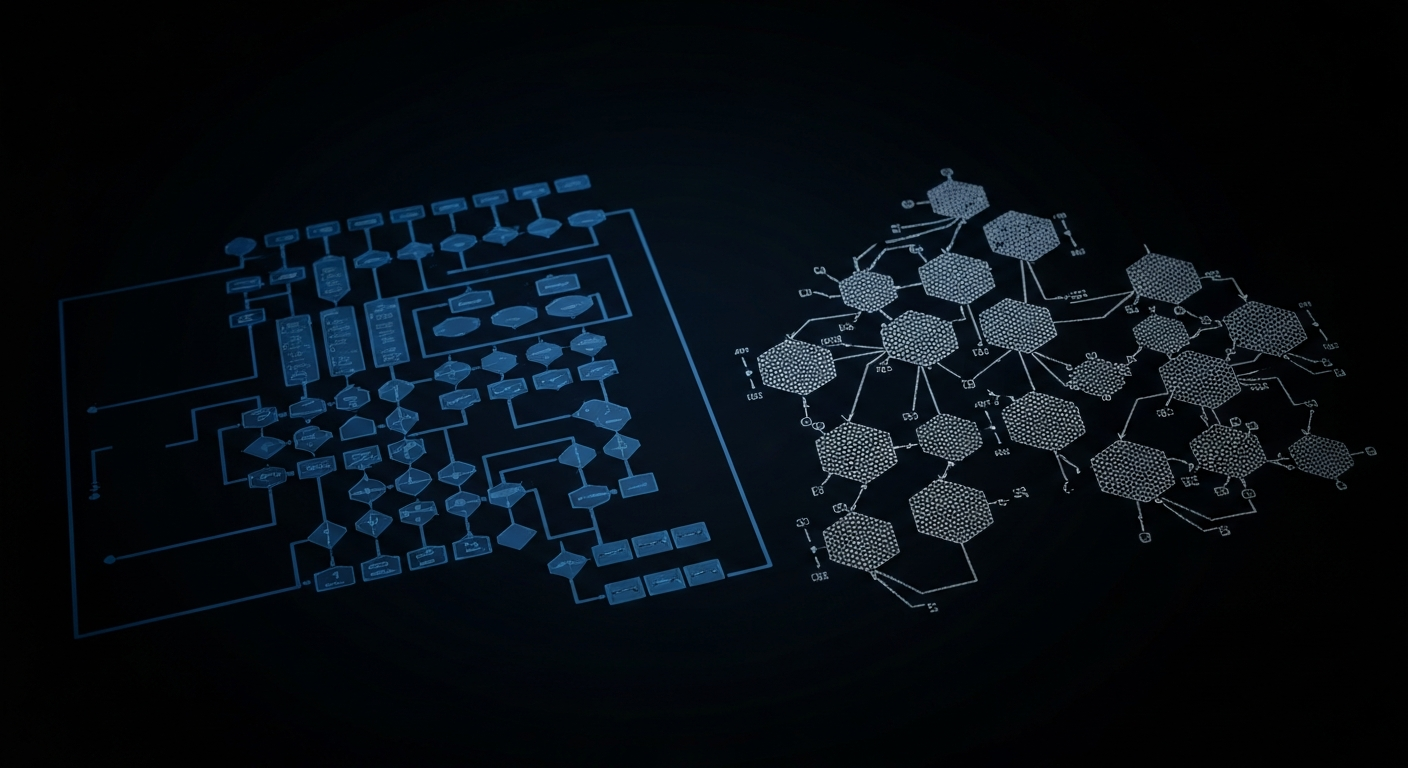
Robotic Process Automation (RPA) is software that mimics human actions on a computer. An RPA bot clicks, types, copies and pastes, exactly as a human would, but faster and without errors. RPA is ideal for structured, repetitive processes with fixed rules: processing invoices from a PDF to an ERP system, generating daily reports from multiple systems, or forwarding orders from a webshop to a logistics system.
What are AI Agents?
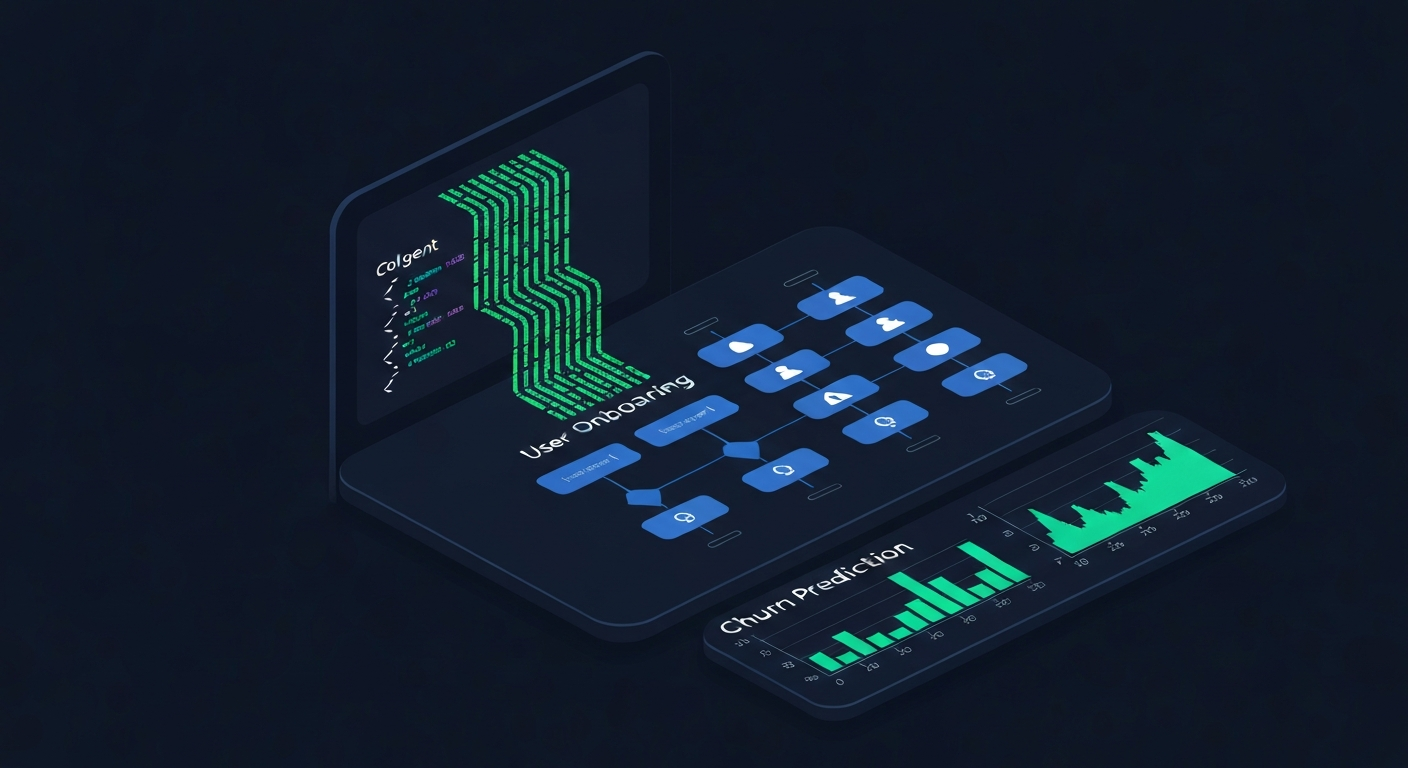
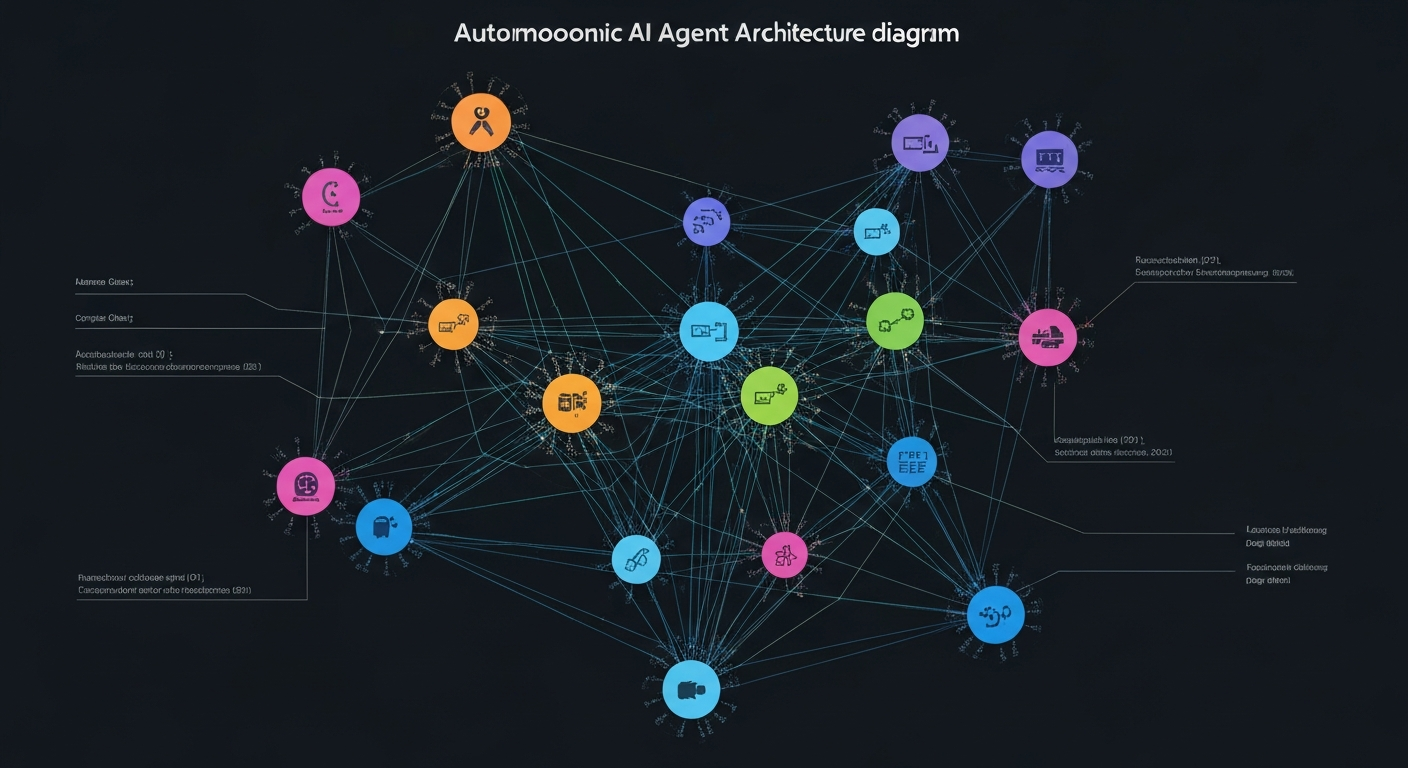
AI agents are autonomous software systems that can independently reason, make decisions, and take actions to achieve a goal. Unlike RPA, AI agents don't follow a fixed script, they understand context, interpret unstructured information (emails, PDFs, conversations), and adapt their approach based on the situation.
Comparison Table: AI Agents vs RPA
| Feature | RPA | AI Agent | |---|---|---| | Approach | Rule-based, scripted | Context understanding, reasoning | | Input | Structured data | Unstructured + structured data | | Flexibility | Low (breaks with changes) | High (adapts) | | Decision-making | None, follows rules | Yes, autonomous decisions | | Implementation time | 2-8 weeks | 4-12 weeks | | Cost | Lower initially | Higher initially, higher ROI | | Ideal for | Stable, structured processes | Complex, variable processes | | Learning ability | No | Yes, improves over time |
When to Choose RPA vs AI Agent
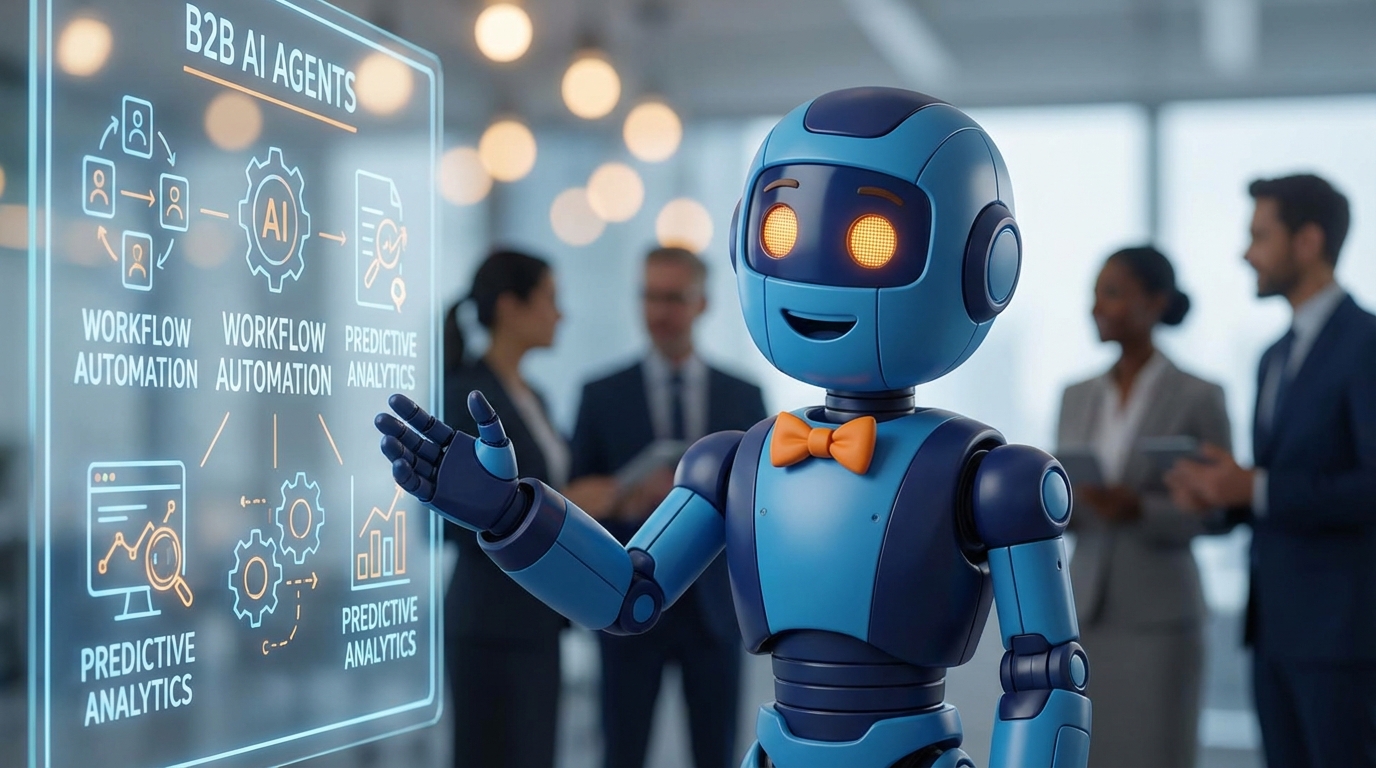
Choose RPA when: the process is stable, input is always structured, no exceptions occur, budget is limited, and compliance requires 100% reproducible steps. Choose AI agents when: input is unstructured (emails, documents), the process requires context understanding, exceptions are the norm, and personalization matters. The hybrid approach, RPA for structured parts, AI agents for complex parts, is increasingly popular in B2B organizations.
Want to know which automation approach best fits your organization? Contact Match-AI for a no-obligation conversation. Learn more about [B2B AI Agents](/b2b-ai-agents) or [contact us](/contact) today.
Sources & further reading

Written by
Chris de Graaf
Mede-eigenaar
Achtergrond in commercie en conversie. Bij Match-AI helpt hij bedrijven om van meetings en leads naar concrete, geautomatiseerde opvolging te komen.
Follow on LinkedIn